


Many good watches come on a steel bracelet. Many owners then wonder whether a strap would be better. There is no single answer, but there is a clear one for each situation. This guide compares a metal bracelet with leather and rubber straps on the things that matter day to day: comfort, weight, heat, water, style, sizing and cost.
The quick verdict
- Choose the bracelet for everyday wear with a sports watch, if you like a solid, heavier feel and want one option that works with almost everything.
- Choose a leather strap for the office, a suit and dressier watches, and for a lighter, warmer feel on the wrist.
- Choose a rubber strap for water, heat, sport and travel, and for the lightest, most comfortable option in summer.
Most owners end up with both: the bracelet plus one or two straps. See how many watch straps you need.

Bracelet vs strap, point by point
Comfort and weight
A steel bracelet adds weight, often 50–100g, and the watch sits heavier on the wrist. Some people like that. A rubber or leather strap makes the same watch feel lighter and sit closer. If your watch slides around the wrist or feels top-heavy, a strap usually fixes it.
Heat and sweat
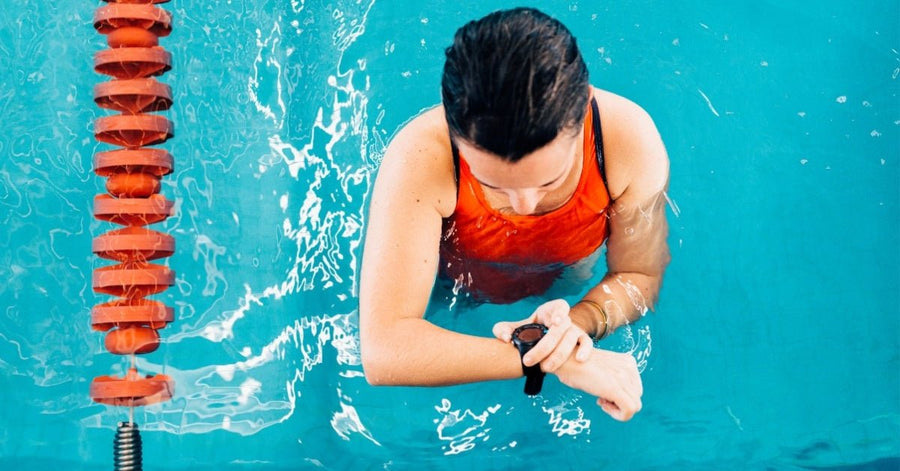
Metal gets hot in the sun and cold in winter, and a bracelet sized for the morning can feel tight on a hot afternoon. Leather does not like sweat. Rubber is the best option here: FKM rubber stays comfortable in heat and simply rinses clean. More on that in the best strap for swimming and sweat.
Water
Steel bracelets and rubber straps both handle water. Rinse a bracelet after salt water, as sand and salt get between the links. Leather should stay dry; water is what ages it fastest.
Style
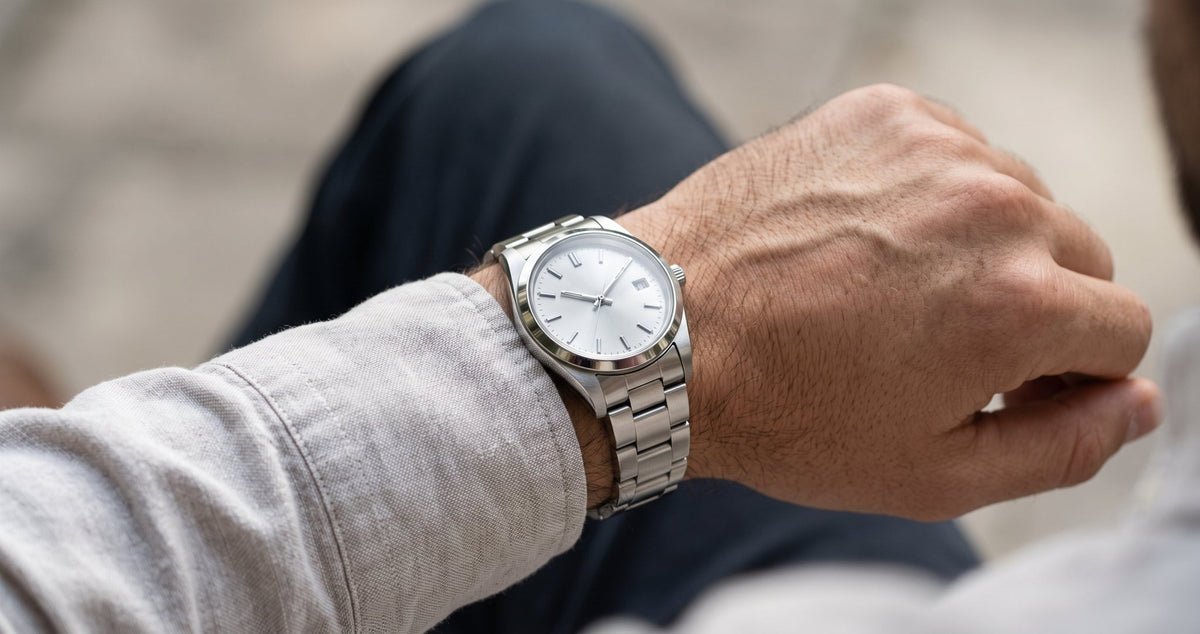
A bracelet looks sporty and goes with almost anything casual. Leather is dressier and slips under a shirt cuff more easily. Rubber reads sporty and modern, and a coloured rubber strap changes the look of a watch more than anything else you can do to it.
Sizing
Bracelets are sized by adding or removing links, with fine adjustment in the clasp. Straps are sized by holes, which is faster but less precise. A deployant clasp on a strap gives a cleaner fit; see tang buckle vs deployant clasp.
Wear and lifespan
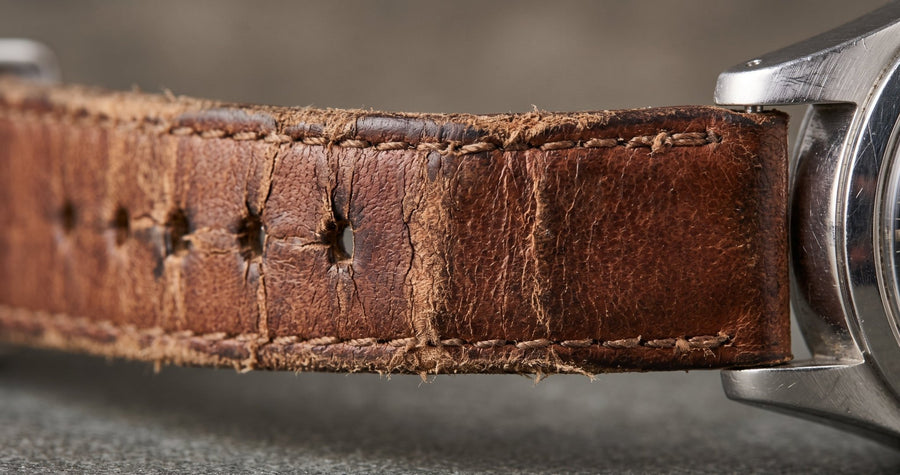
A steel bracelet lasts decades but picks up scratches, and its pins stretch over time. A leather strap is a consumable that lasts a year or two worn daily. FKM rubber lasts many years. See when to replace a watch strap.
Cost
A replacement bracelet from a watch brand can cost hundreds or more. A quality strap costs a fraction of that, which is why a strap is the cheapest way to make one watch feel like a different one.

When a strap beats the bracelet you already own
- Summer and travel: rubber is lighter, cooler and easier to clean. See our curved FKM rubber straps (lifetime warranty on the rubber) or straight FKM rubber straps.
- Office and evening: leather dresses a sports watch down. See leather watch straps and alligator leather straps (1-year warranty).
- Weekends: sailcloth or suede adds texture. See sailcloth and suede.
- Protecting the bracelet: wearing a strap for sport keeps your bracelet free of scratches.
Switching from bracelet to strap
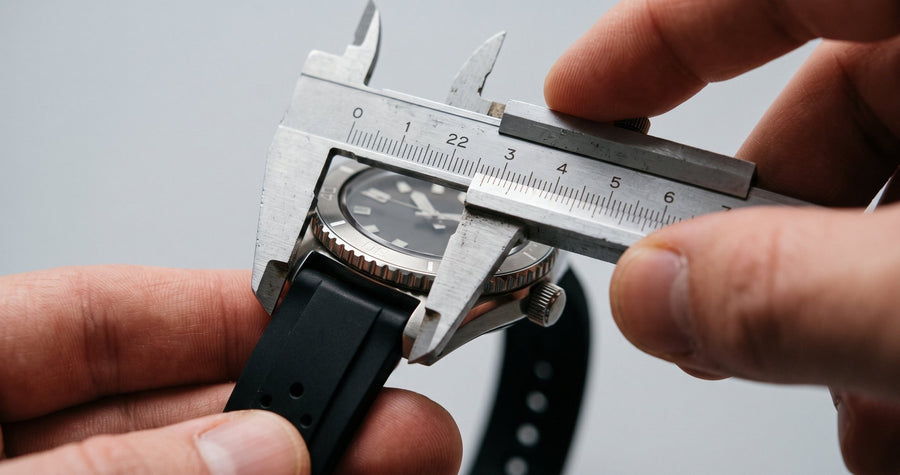
Check your lug width first; bracelet end links sometimes hide it. Our lug width guide shows how, and if you measure 22mm, see the 22mm strap guide. Keep the bracelet's spring bars and end links together in a bag so you can switch back. A spring bar tool makes the change safe for the lugs, and quick-release spring bars make it tool-free.